
The Flow of Features
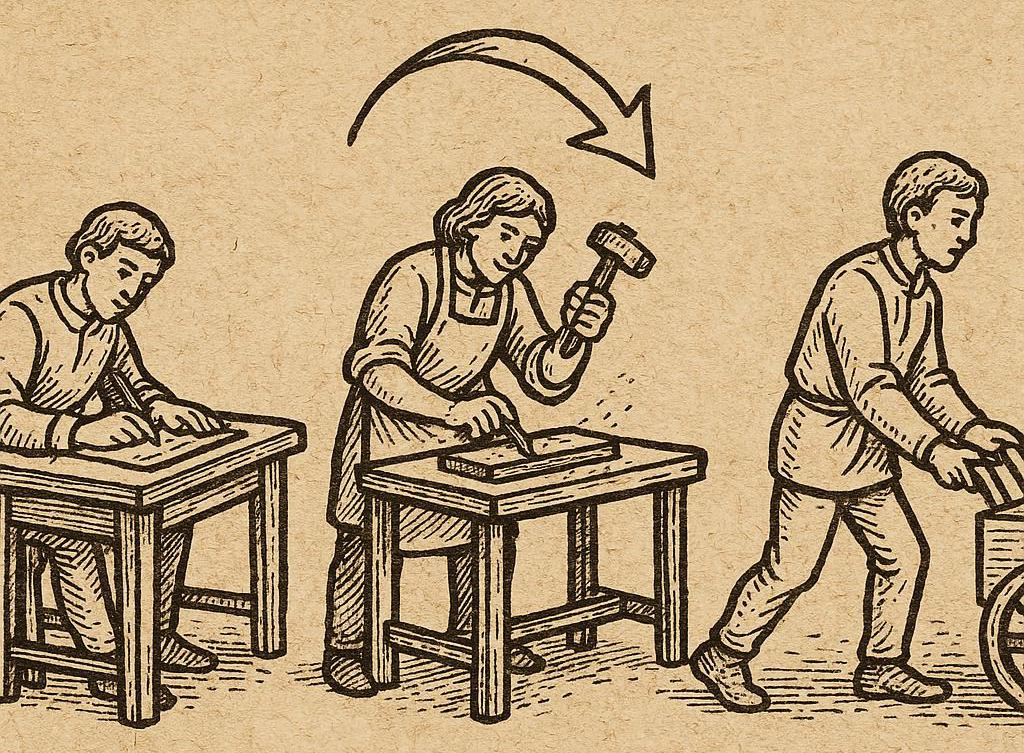
Features rarely begin as detailed plans. They often start as sparks, a frustration, an observation or a simple “what if?”. From there they take shape through chats, sketches and small experiments. The path is rarely straight, so it helps to treat the process as a flow that gives direction without fixing every step in place.
From Idea to Something Tangible
Early ideas are fragile and can easily drift without an anchor. A quick note, a rough diagram or a simple question such as “Who is this for?” can help keep them focused. It doesn’t need to be perfect. The goal is to make the idea visible so it can grow.
Words alone can paint different pictures in people’s minds. A quick sketch or wireframe brings clarity and creates a shared reference point. It also helps surface misunderstandings before they slow things down. Clarity matters more than polish. Lightweight artefacts let ideas move quickly while keeping them grounded. When others can see and react to early thinking, the product benefits from wider input without losing momentum.
Building through Small, Visible Steps
Long stretches of quiet development often lead products away from what users actually need. Working in smaller, visible steps helps prevent that drift. Building a thin slice of functionality, even if it’s rough gives everyone something real to respond to.
In my experience, early versions don’t need to be perfect. A placeholder screen, a mocked API or even a rough workflow is often enough to get the conversation started. The aim isn’t to move faster just for the sake of it, but to get feedback while it’s still easy to make changes. Each small checkpoint helps test assumptions and keep everyone on the same page before things drift too far.
Visible progress also builds trust. Stakeholders see movement sooner, teams feel momentum and users know their feedback counts. Over time this rhythm turns uncertainty into manageable iterations and makes change a normal part of development rather than a problem to avoid.
Releases as Ongoing Conversations
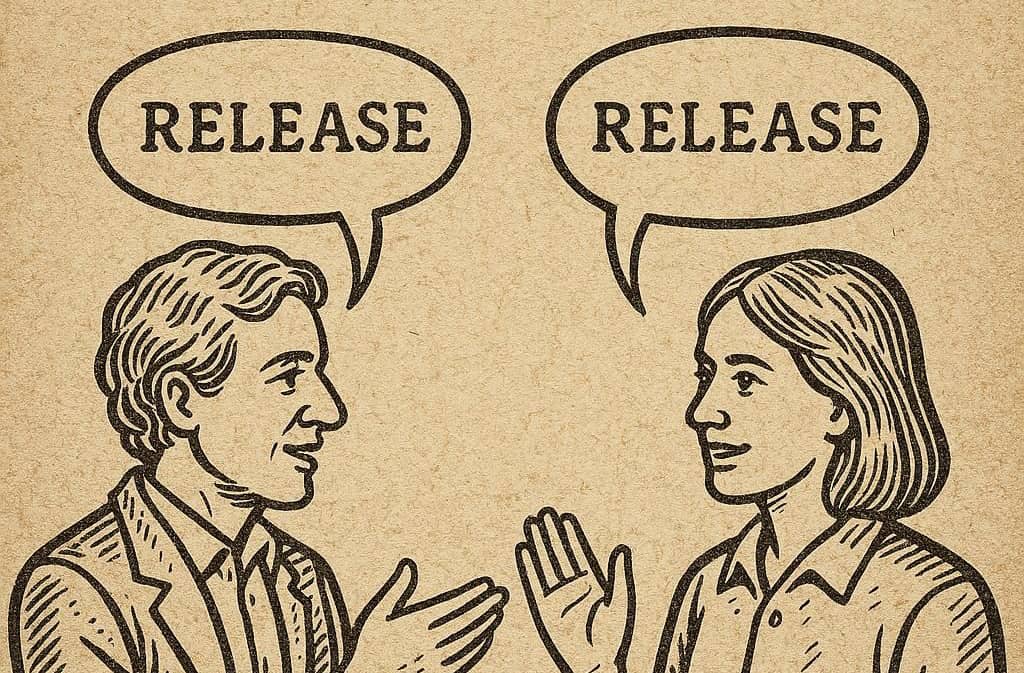
A release is not the end of the process. It is another stage of learning. Some updates roll out quietly to a few users while others go public from day one. The approach depends on the audience and level of risk, but the goal is the same: to open a conversation rather than close one.
For me, thinking of a release as an invitation changes the mindset from “it’s done” to “what do you think?”. That simple shift encourages real collaboration and keeps the team connected to how people actually use the product, not just what we assume. Feedback, bug reports and unexpected wins all become useful input for the next step.
A healthy release culture keeps development grounded in reality and allows improvement to happen continuously without chasing perfection on the first attempt.
Reflection as Forward Motion
It’s easy to jump straight to the next task, but pausing to reflect adds real value. Simple questions like “Did this do what we hoped?”, “What surprised us?” or “What would we change next time?” turn delivery into learning. Reflection is not slowing down; it is how products move forward with more focus.
Different teams use different structures to manage this flow. Kanban focuses on visibility and steady progress. Agile and Scrum emphasise short feedback loops. The Spiral Model mixes planning with experimentation. Continuous Delivery promotes frequent automated releases. I’ve seen teams and products get stuck following a single method too rigidly, which often creates development and feature bottlenecks and slows down growth.
Each approach offers something useful, but none is the full answer. The aim is to find a flow that fits your team and product.
TL;DR
From what I've learnt during my career, software development works best when it feels like an ongoing conversation between ideas, people and users. It’s less about moving fast and more about staying open to discovery. When products treat feedback as part of the flow, not an interruption, the work gets sharper and the products get better.